How to Price a Second-Hand Designer Bag (Step by Step)
Determining the resale value of a luxury accessory requires a balance of market data, brand knowledge, and an honest assessment of condition. Whether you are clearing out your closet or looking to fund a new purchase, understanding how to price a second-hand designer bag ensures you don’t leave money on the table or list an item that sits for months without interest.
Pricing is not a static calculation; it is a reflection of current demand and historical performance. To understand the foundational logic behind these valuations, it is helpful to review how luxury bag pricing works across different market segments. Once you understand the “why,” you can follow this step-by-step process to determine the “how much.”
Step 1: Identify the Exact Model and Year
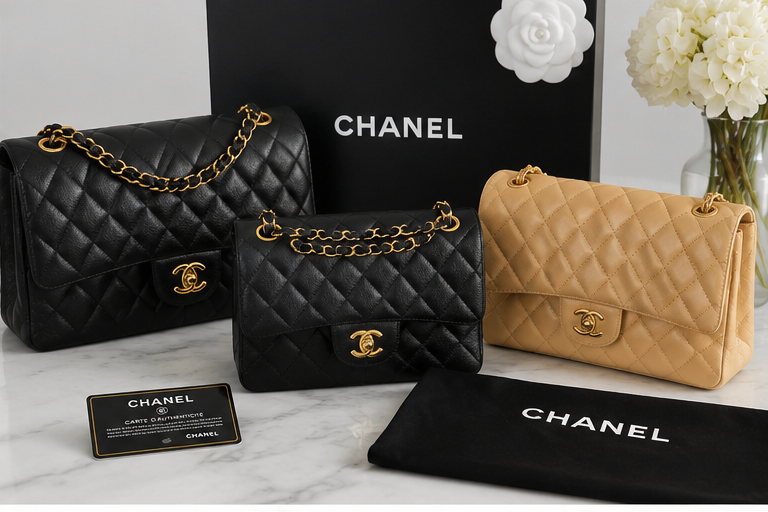
The first step in pricing is precision. A “Chanel Flap Bag” is not specific enough to generate an accurate estimate. You need to identify the size (e.g., Jumbo vs. Medium/Large), the leather type (Caviar vs. Lambskin), and the hardware finish (Gold vs. Silver-tone).
Locate the date code, serial number, or microchip inside the bag. This allows you to determine the year of production. Vintage bags from certain “golden eras” may command a premium, while contemporary bags often follow a standard depreciation curve unless they are part of a limited edition collection.
Step 2: Conduct an Objective Condition Assessment
Condition is the most significant variable in the resale market. Be critical when evaluating your item. Most professional resellers use a standardized grading scale:
- New with Tags (NWT): Never worn, often includes original protective plastics.
- Pristine/Like New: Used once or twice with no visible signs of wear.
- Excellent: Light wear, such as faint scratches on hardware or minor softening of the leather.
- Very Good: Visible wear on corners, slight interior staining, or minor loss of shape.
- Fair/Good: Significant scuffing, darkened handles (patina), or structural issues that may require repair.
Remember that “full set” items—those including the original box, dust bag, authenticity card, and receipt—typically fetch 10% to 20% more than “bag only” listings.
Step 3: Research Comparable Sold Listings
To find a realistic market range, look at what buyers have actually paid, not what sellers are currently asking. Search major resale platforms and filter your results by “Sold” or “Completed” listings. Pay close attention to the dates; a price from two years ago may no longer be relevant in today’s fluctuating market.If the manual research feels overwhelming, you can use LuxPricer to get instant price estimates for luxury handbags. This tool aggregates market data to provide a baseline estimate based on current trends, saving you hours of manual scrolling.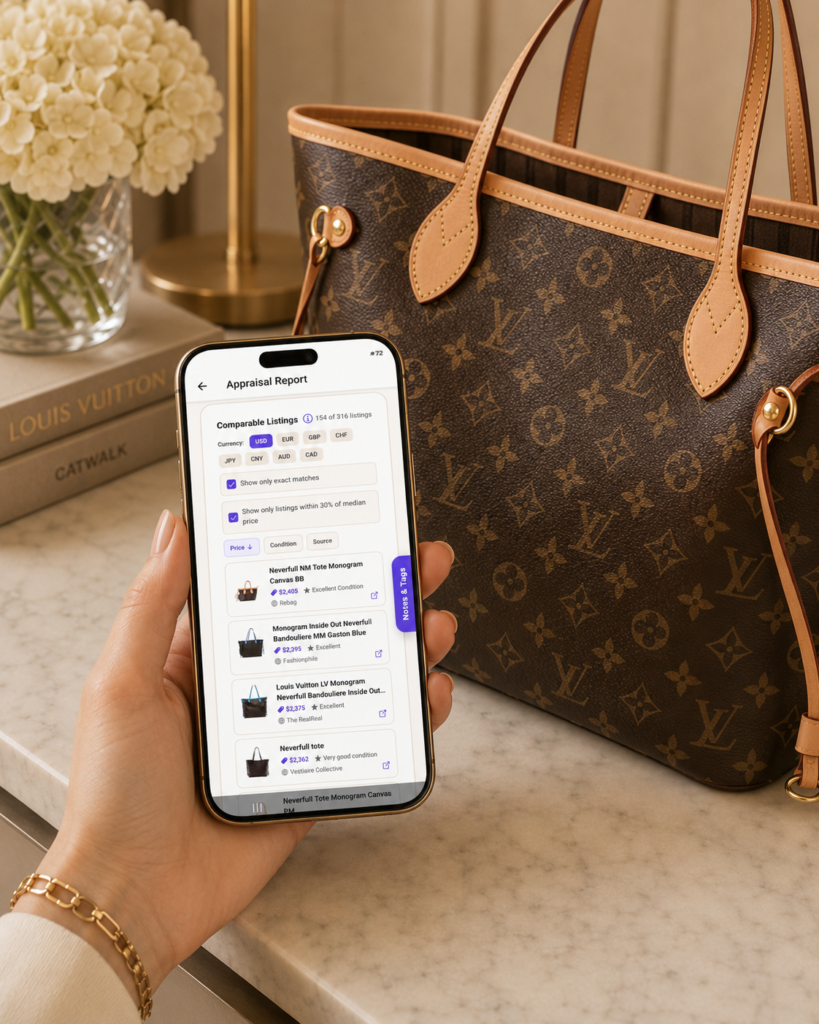
Ready to Value Your Luxury?
Download the LuxPricer App
Get instant, market-driven pricing estimates powered by real-time luxury resale data.


Factor in Brand Retention Rates
Not all brands hold their value equally. When learning how to price a second-hand designer bag, you must account for the “Big Three” (Hermès, Chanel, and Louis Vuitton), which often retain 70% to 110% of their retail value. In contrast, contemporary or “it” bags from brands like Prada, Gucci, or Fendi may see a steeper initial drop, often retailing for 40% to 60% of their original price on the secondary market.Step 5: Adjust for Urgency and Platform Fees
Your final price should reflect your selling strategy. If you need a quick sale, price your bag at the lower end of the “Sold” range you discovered in Step 3. If you are willing to wait for the right collector, you can price it at the higher end.Additionally, consider where you are selling. If you use a peer-to-peer marketplace, you may keep more of the profit but handle more risk. If you use a consignment shop, they may take a 20% to 50% commission. Ensure your target “take-home” amount is realistic after these deductions.Refining Your Strategy
Once you have a data-backed estimate in hand, the final hurdle is translating that number into a public listing. There is a psychological component to pricing that can help your item move faster.Summary Checklist for Pricing
- Verify Authenticity: Ensure you have all documentation ready.
- Check Hardware: Look for tarnish or scratches that lower the grade.
- Smell Test: Ensure there are no odors (smoke, perfume, or storage) which significantly impact value.
- Market Pulse: Check if the bag is currently “trending” on social media, which can temporarily inflate prices.
Ready to Value Your Luxury?
Download the LuxPricer App
Get instant, market-driven pricing estimates powered by real-time luxury resale data.