Factors That Affect Luxury Bag Resale Value
The Physical State: Condition Grading
The most immediate factor in any valuation is the physical integrity of the item. Because luxury buyers are often looking for an experience that mirrors a boutique purchase, even minor signs of wear can lead to significant price reductions. Professional resellers use a standardized grading scale—ranging from “New with Tags” to “Fair”—to communicate an item’s state to potential buyers. Specific areas of concern include the four bottom corners, the interior lining, and the “drop” of the handles where oils from the skin often cause darkening or “patina.” For a deep dive into how specific types of wear—such as hardware scratches or leather scuffs—translate into price deductions, read our detailed analysis of how condition affects a luxury bag’s resale value.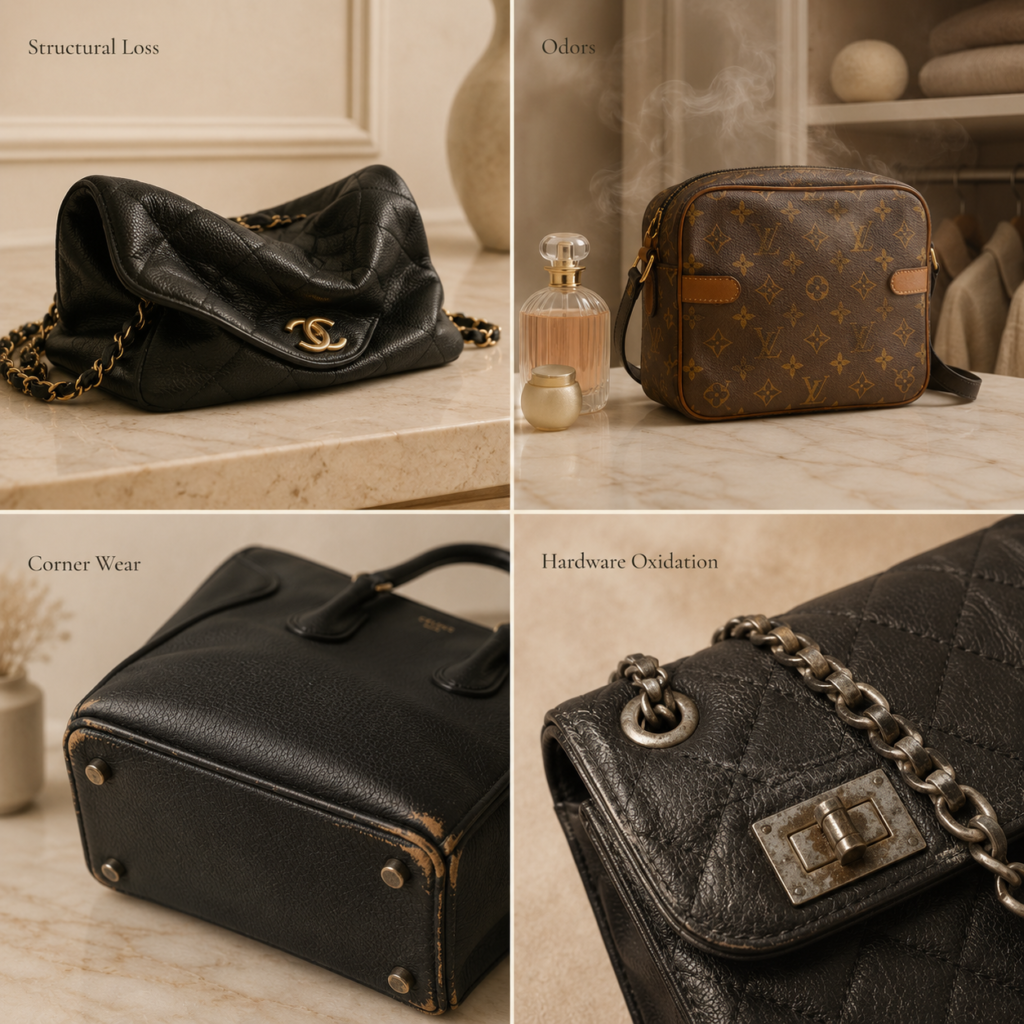
Common Condition Issues That Lower Value:
- Structural Loss: Bags that can no longer stand upright or have lost their original silhouette.
- Odors: Exposure to smoke, perfume, or mothballs is often a permanent devaluation factor.
- Corner Wear: Scuffing on the piping or base of the bag is the most common sign of use.
- Hardware Oxidation: Tarnishing or deep scratches on zippers and clasps.
The Importance of Provenance and Completeness
In the resale world, a bag is rarely just the bag itself. The presence of original accessories serves two purposes: it enhances the “giftable” quality of the item and acts as a layer of informal authentication. Items that include the original boutique receipt, authenticity cards, and the branded dust bag consistently command a premium over “naked” bags. Many sellers underestimate the financial impact of keeping their original packaging. However, for “Holy Grail” items like the Hermès Birkin or certain Chanel Classic Flaps, the presence of the original box can add hundreds of dollars to the estimate. You can learn more about the specific premiums associated with these items in our guide on how original packaging and papers affect resale price.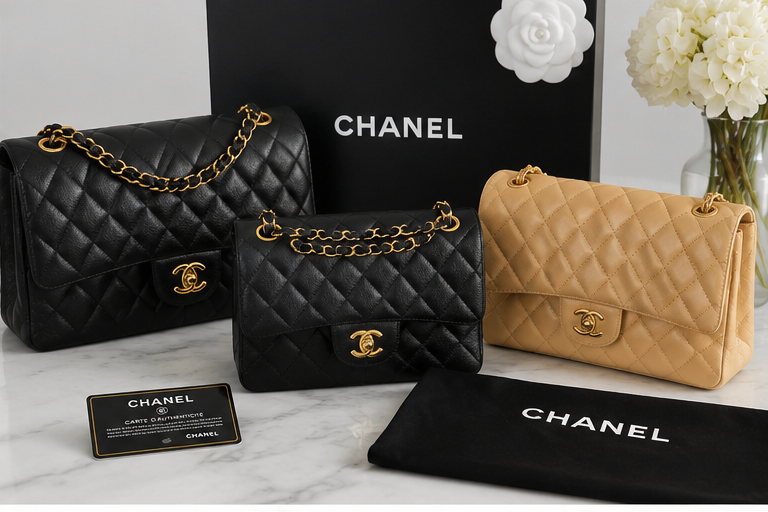
Style, Trends, and Market Demand
The luxury market is divided into two main categories: “Classics” and “Seasonal Trends.” Classics, such as the Louis Vuitton Speedy or the Lady Dior, maintain a relatively stable value over decades. Seasonal items, however, are subject to the volatility of the fashion cycle. A bag that is “highly coveted” one year may see a 40% drop in demand the next as the aesthetic shift moves from “logomania” to “quiet luxury.” Understanding how style and trend cycles affect resale value is critical for timing your sale. Selling during the peak of a trend ensures maximum liquidity, whereas selling a dated seasonal piece may require a significant price cut to attract a buyer. Furthermore, color plays a massive role; neutral tones like black, gold, and grey generally hold value better than “pop” colors or limited edition prints which have a smaller pool of interested buyers.Brand Strength and Annual Price Increases
Not all luxury brands are created equal in the secondary market. Brands like Hermès, Chanel, and Louis Vuitton are known for aggressive annual retail price increases. These increases effectively raise the “floor” for pre-owned prices. If a brand raises the price of a bag by 15% at the boutique, the resale value of that same model typically rises in tandem, as buyers look to the secondary market to avoid the new retail cost. Conversely, brands that frequently offer discounts or have outlet presences often struggle to maintain high resale percentages. When a bag can be bought at a 30% discount at an outlet, the resale value must be positioned even lower to remain competitive.Seasonality and Timing
The time of year you choose to list an item can influence the final sale price. Demand for luxury goods typically spikes during the fourth quarter (holiday season) and during the spring “wedding season.”- Winter: High demand for dark leathers, velvets, and large totes.
- Summer: High demand for raffia, wicker, bright colors, and crossbody bags.
How These Factors Create a Price Range
No single factor determines the price in isolation. Instead, they work together to place an item within a specific market bracket. For example, a bag in “Good” condition with full packaging might be priced similarly to a bag in “Excellent” condition with no packaging. Professionals use these variables to determine a competitive window for the item. To see how these variables are weighted in a real-world scenario, you can study how luxury bag pricing works. This process involves looking at the intersection of current retail prices and historical sales data. Once you have identified the core factors, the next step is using and interpreting luxury bag price ranges to set a realistic expectation for your specific item. Use LuxPricer to get an instant estimate: Our tool analyzes hundreds of data points, including condition and current market trends, to provide you with an accurate valuation for your luxury assets.Ready to Value Your Luxury?
Download the LuxPricer App
Get instant, market-driven pricing estimates powered by real-time luxury resale data.


The Role of Comparative Data
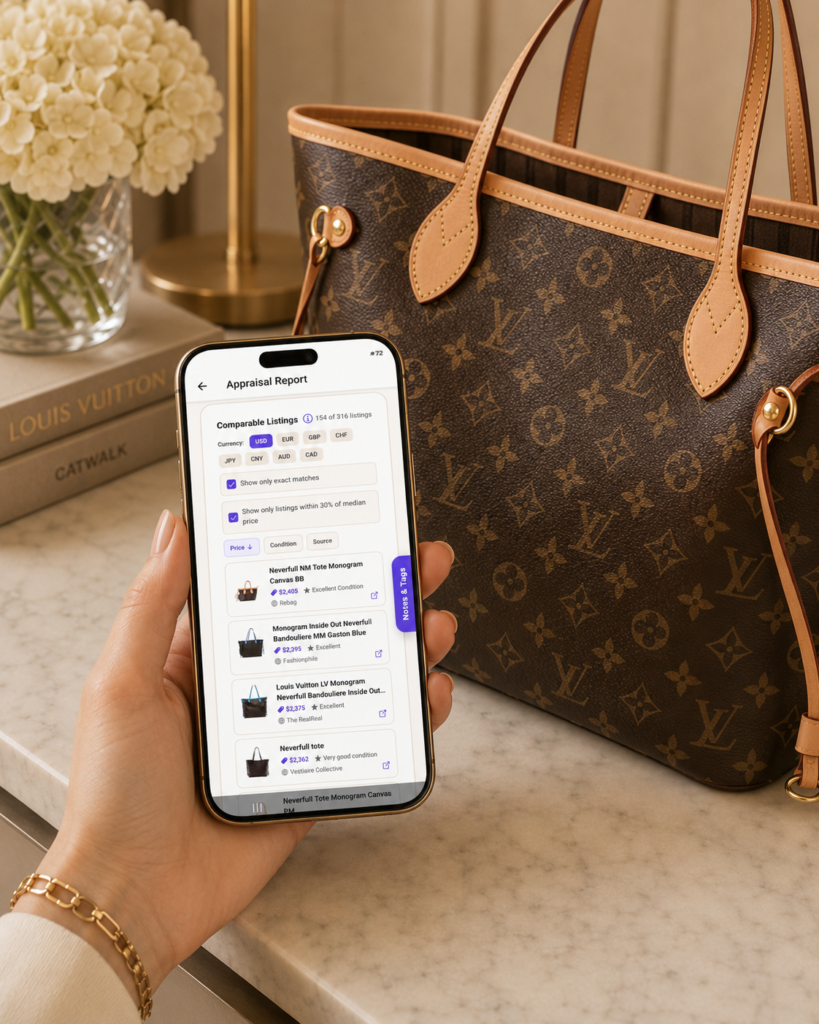
Finally, the market is always the ultimate decider. Even if a bag is in pristine condition, if there are fifty identical bags currently listed on major platforms, the price will naturally be driven down by competition. Successful sellers often look at “comps” or comparable listings to see what buyers are actually paying, rather than just what sellers are asking.
For a practical walkthrough on this method, see our guide on using comparable listings to price luxury bags. This ensures that your valuation is grounded in current market reality rather than outdated data.
Summary Checklist for Sellers:
- Assess Condition: Be honest about wear to avoid returns and disputes.
- Gather Accessories: Locate the box, dust bag, and any authenticity cards.
- Check the Trend: Determine if your bag is currently “in demand” or a timeless classic.
- Verify Authenticity: Ensure you have the necessary documentation or third-party verification to prove the bag’s origin.
By considering all these factors—from the physical state of the leather to the current macroeconomic trends affecting luxury spending—you can more accurately predict what your bag is worth. Whether you are looking to flip a bag for profit or simply clear out your closet, understanding what affects luxury bag resale value is the first step toward a successful transaction.
Ready to Value Your Luxury?
Download the LuxPricer App
Get instant, market-driven pricing estimates powered by real-time luxury resale data.