How LuxPricer Works
Navigating the secondary market for high-end fashion requires precision and up-to-the-minute data. Whether you are a professional reseller or a private collector, determining the fair market value of a designer piece is the most critical step in the sales process. LuxPricer was developed to simplify this complexity, providing a dedicated app to price luxury bags using a combination of proprietary image recognition and historical sales data.
The LuxPricer pipeline is designed to be intuitive yet rigorous. By following a standardized workflow, the app ensures that every valuation is based on the specific attributes of your item rather than broad generalizations. This guide walks through the technical journey of a handbag through our system, from the initial photo upload to the final generation of a comprehensive pricing report.
Price Check
Want to estimate a luxury bag faster?
Use LuxPricer to get a structured resale estimate from your phone, with market context and comparable pricing signals.


Step 1: High-Resolution Image Capture
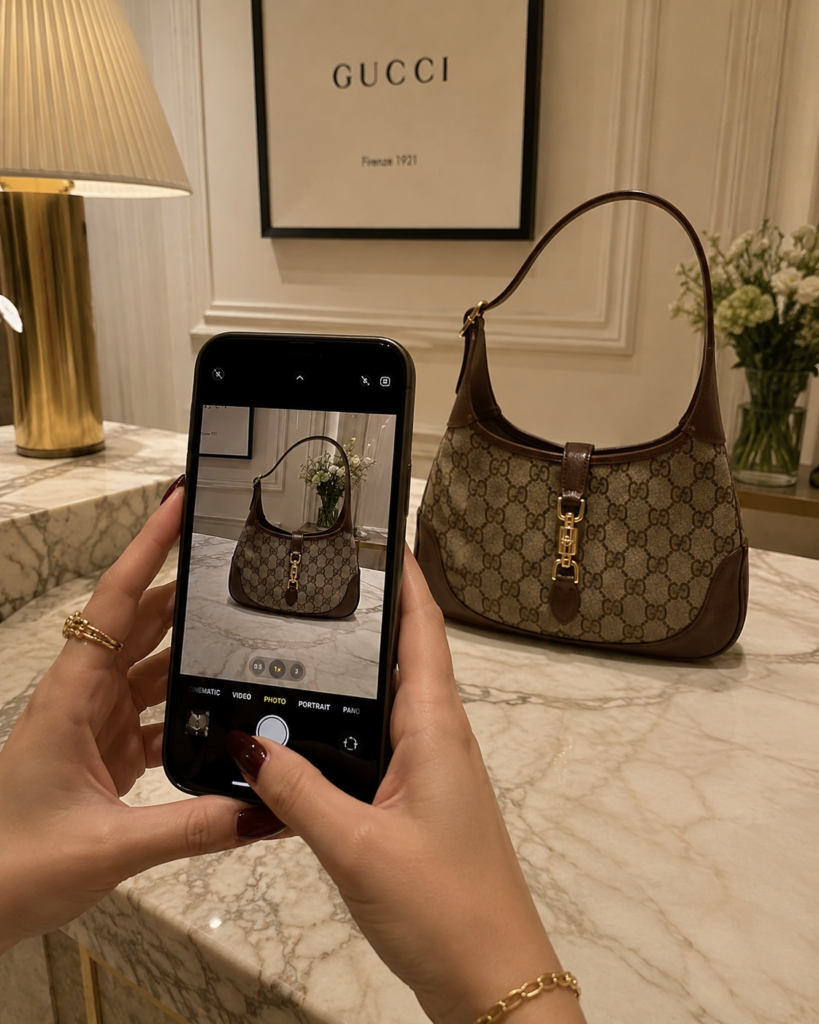
The process begins with visual data. When you use our app to price luxury bags, the quality of the input directly influences the accuracy of the output. The LuxPricer interface guides users through a series of specific photo requirements to ensure all necessary details are captured for analysis.
Users are prompted to provide clear shots of the front, back, interior, and base of the bag. Crucially, the app requires close-ups of hardware engravings, date codes or serial numbers, and any visible wear. These images allow our system to identify the exact model, material, and production year. If you are new to the valuation process, understanding the underlying Luxury Handbag Resale Pricing principles can help you appreciate why these specific visual details are so vital to a bag’s market position.
Step 2: AI-Driven Identification and Attribute Extraction
Once the images are uploaded, the LuxPricer engine begins the identification phase. This stage of the workflow is part of the broader LuxPricer Features Overview, which details how our technology distinguishes different models.
The app automatically extracts key attributes, including:
- Brand and Model: Identifying the specific silhouette (e.g., a Chanel Flap vs. a Chanel Boy).
- Material and Hardware: Distinguishing between Togo and Epsom leathers or detecting rare finishes like PVD hardware.
- Colorway: Cross-referencing the visual hue with official brand color catalogs.
Ready to Value Your Luxury?
Download the LuxPricer App
Get instant, market-driven pricing estimates powered by real-time luxury resale data.
Step 3: Condition Assessment and Grading
Condition is the most significant variable in resale valuation. After the app identifies the bag, it prompts the user to verify the condition detected by the AI. LuxPricer uses a standardized grading scale ranging from “Worn” to “New.”
The app analyzes the uploaded photos for common signs of use, such as corner scuffing, handle darkening, or interior stains. By quantifying these imperfections, the system can adjust the price estimate to reflect what buyers are actually willing to pay for an item in that specific state. This objective grading removes the emotional bias that often leads sellers to overprice their items.
For Resellers & Boutiques
Turn market comps into a clearer selling price
LuxPricer helps you move from scattered listings to a more consistent valuation workflow.
Step 4: Real-Time Market Data Cross-Referencing
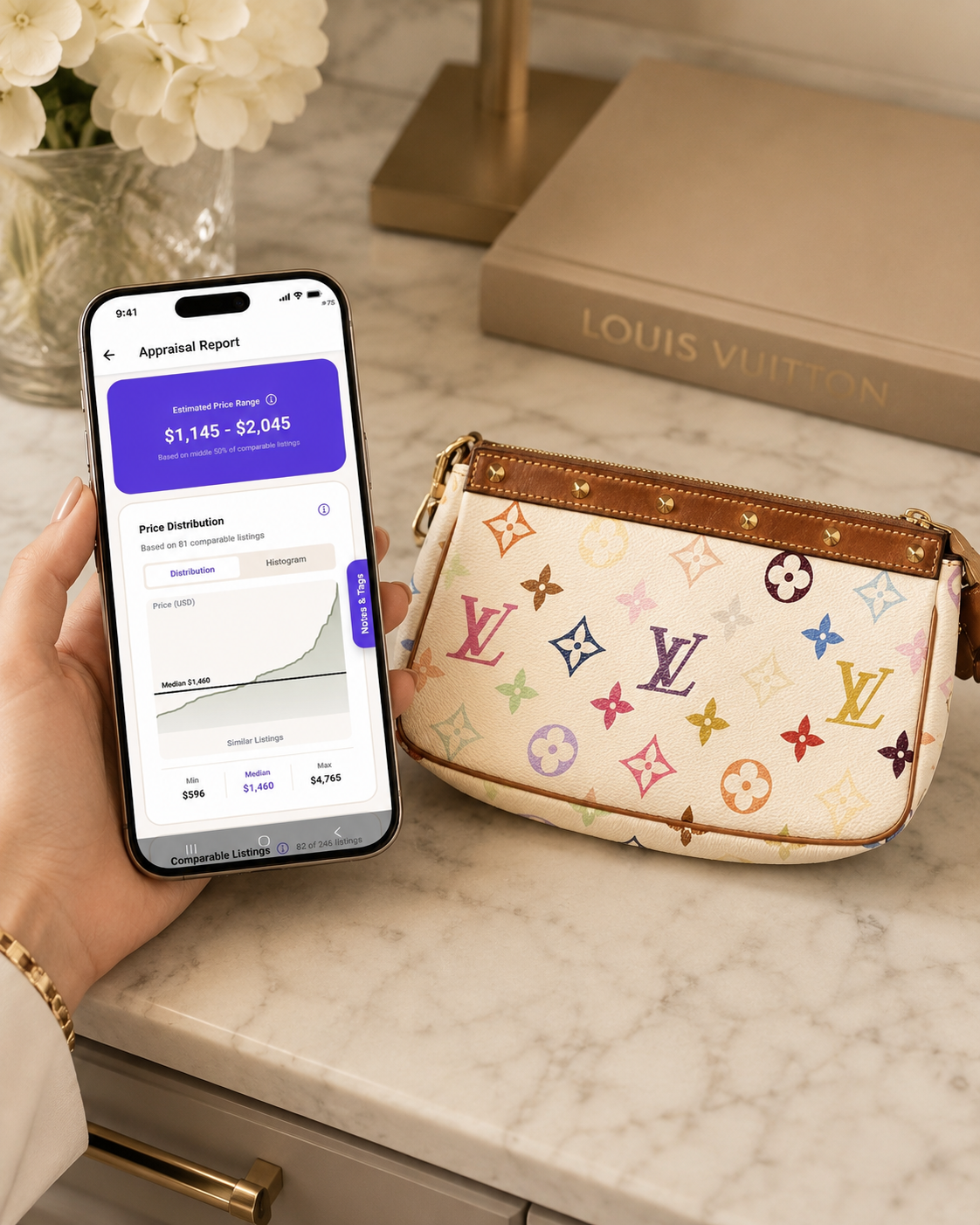
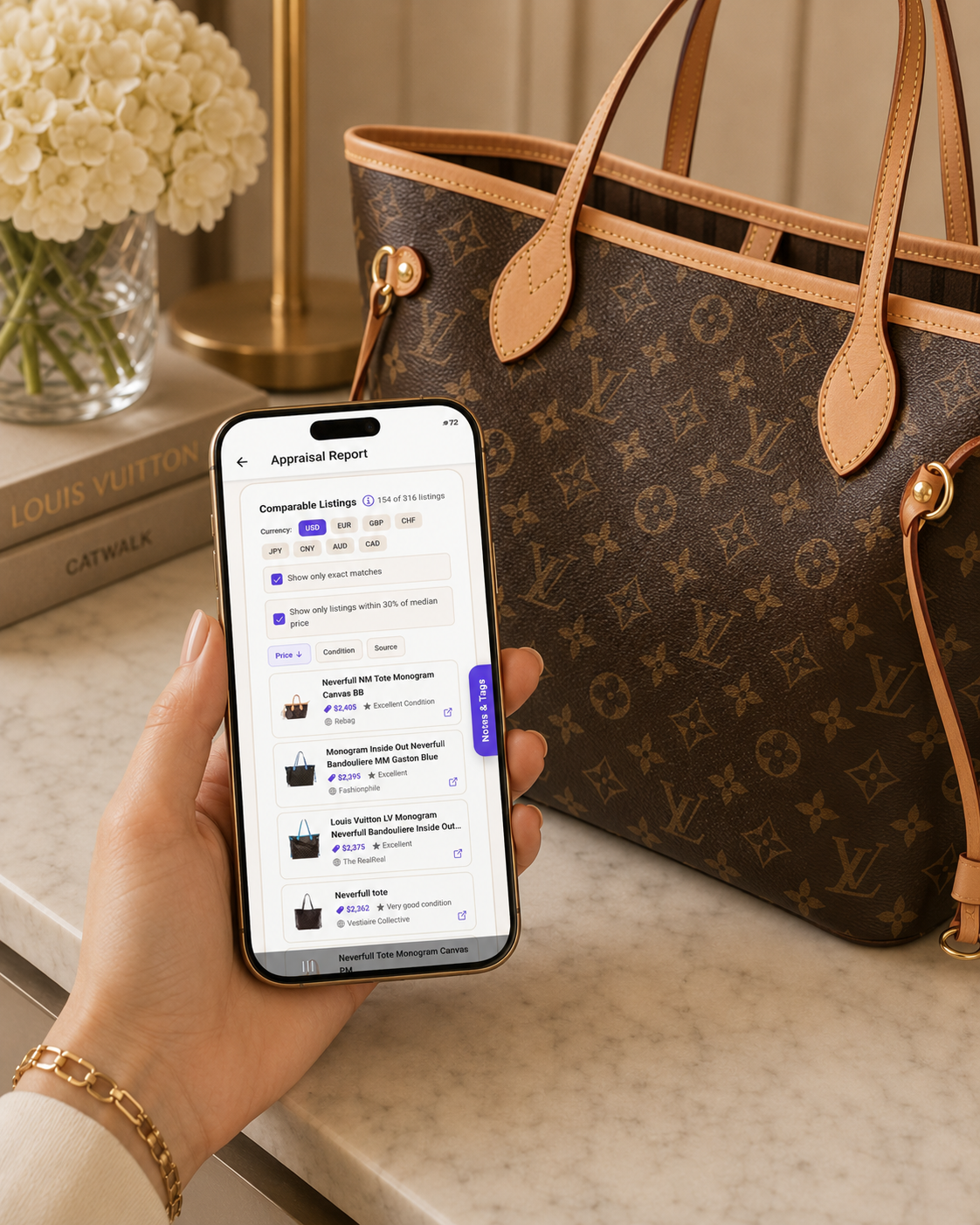
A price estimate is only as good as the data behind it. LuxPricer does not rely on static retail prices; instead, it aggregates realized sales data from a wide array of secondary market platforms. This ensures that the app to price luxury bags reflects current liquidity and demand trends.
The system filters this data to find “comparables”—items of the same model, material, and condition.
Try LuxPricer
Value your next luxury bag in under a minute
Download the app and generate a faster pricing estimate before you buy, sell, negotiate, or list your next bag.
Step 5: Generating the Valuation Report
The final stage of the pipeline is the generation of a detailed valuation report. This is not just a single number, but a strategic breakdown designed to help you make an informed selling decision. The report typically includes three key figures:
- The Low Estimate: A price point designed for a quick sale, often used by those looking to liquidate inventory immediately.
- The Fair Market Estimate: The most likely selling price based on current average market performance.
- The High Estimate: A target price for sellers who are willing to wait for the right buyer, typically reserved for items in pristine condition or rare colorways.
Each report also provides a historical analysis and gives an overview of reseller’s caveats.
Why Use a Dedicated App to Price Luxury Bags?
Manual research is time-consuming and prone to error. Searching through listings on various marketplaces often leads to inconsistent results. LuxPricer standardizes this data, providing a single source of truth for your resale business.
By utilizing a structured workflow, the app ensures that no detail is overlooked. From the nuances of a specific leather type to the current global demand for a particular brand, LuxPricer synthesizes complex market signals into an actionable estimate.
Ready to get an accurate estimate for your collection? Download LuxPricer today and receive your first valuation report in minutes.
Continuous Updates and Accuracy
The luxury market is volatile. Prices for “investment” bags can fluctuate based on annual retail price hikes by brands like Hermès or Louis Vuitton. Because LuxPricer is a cloud-based app to price luxury bags, our database is updated daily to reflect these shifts. When you run a report, you are accessing the most current snapshot of the global resale economy.
Furthermore, the system learns from every interaction. As more data points are added to our ecosystem, the precision of our image recognition and pricing algorithms continues to improve. This commitment to data integrity is what makes LuxPricer a trusted tool for both individual sellers and high-volume resale enterprises.
For a deeper dive into the specific tools available within the platform, including our batch processing and historical tracking tools, please visit our LuxPricer Features Overview. Understanding the full scope of these capabilities will help you maximize the value of every item in your inventory.