How Style and Trend Cycles Affect Resale Value
In the world of luxury resale, a bag’s value is determined by more than just its brand name or its retail price. While craftsmanship and materials provide a baseline, the current fashion climate dictates the final market price. Understanding how trends affect luxury bag resale is essential for collectors who view their purchases as assets. Style cycles can cause a bag to appreciate rapidly or lose value just as quickly, depending on whether the silhouette is considered a “forever classic” or a “seasonal must-have.”
Price Check
Want to estimate a luxury bag faster?
Use LuxPricer to get a structured resale estimate from your phone, with market context and comparable pricing signals.


The Mechanics of Trend Cycles in Luxury Fashion
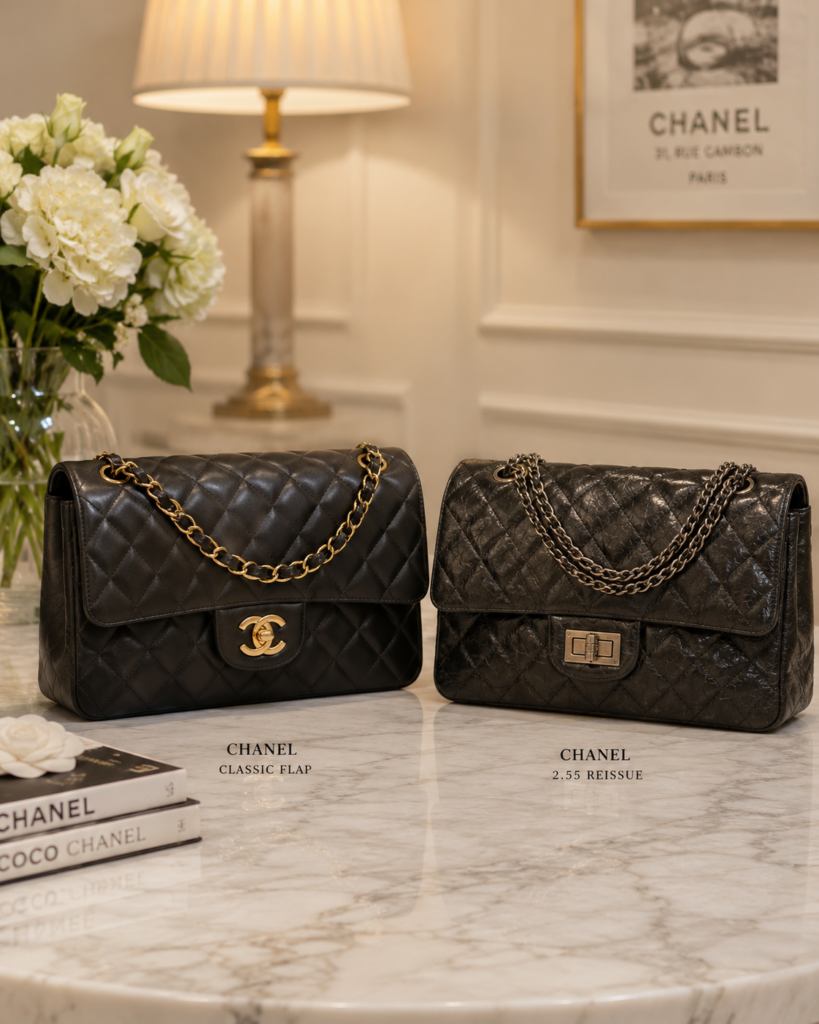
The luxury market operates on two distinct tracks: the permanent collection and the seasonal runway. Permanent pieces, such as the Hermès Birkin or the Chanel Classic Flap, maintain a steady trajectory. However, seasonal trends introduce volatility. When a specific shape—like the “pouch” or the “micro-bag”—dominates social media and celebrity street style, demand spikes. Because supply is often limited to a single season, this surge in demand creates a premium in the secondary market.
Timing is the most critical factor when navigating these cycles. Just as how condition affects a luxury bag’s resale value by setting a physical ceiling on the price, the trend cycle sets the emotional ceiling. If you sell during the “peak” of a trend, you may recoup 100% or more of the retail price. If you wait until the trend has been replaced by the next “it-bag,” the resale estimate may drop by 30% to 50%.
Trending Shapes: From Micro to Oversized
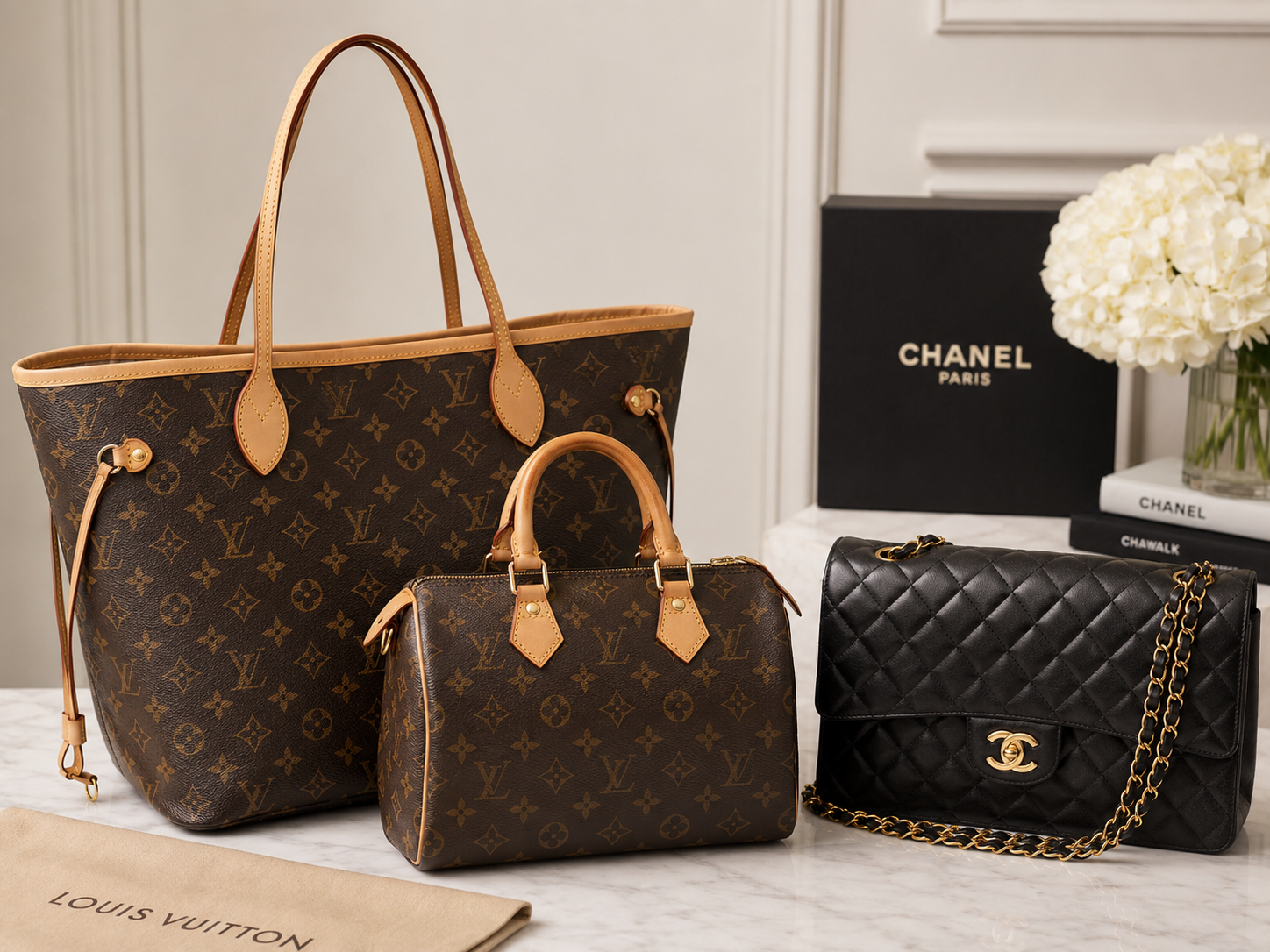
Bag silhouettes move through predictable cycles. For several years, the market favored miniature bags that prioritized aesthetic over utility. During this period, even entry-level brands saw high resale premiums for their smallest models. Currently, the market is shifting toward “quiet luxury” and oversized totes.
When a specific shape becomes a “macro-trend,” it lifts the value of all bags within that category. For example, the resurgence of 1990s-style shoulder bags significantly increased the resale value of vintage Prada and Fendi pieces that had previously been stagnant for a decade. Sellers who monitor these shifts can capitalize on older inventory that suddenly aligns with modern tastes.
The Impact of Color and Hardware
Color plays a secondary but vital role in how trends affect luxury bag resale. Neutral tones—black, gold, and taupe—are considered “safe” and maintain consistent value. However, “Pop” colors or “Color of the Year” selections can command a massive premium for a short window. A neon green bag might sell for a premium in July but struggle to find a buyer by December. Similarly, hardware finishes like brushed gold or matte black can go in and out of style, affecting how quickly a bag moves on the secondary market.
Ready to Value Your Luxury?
Download the LuxPricer App
Get instant, market-driven pricing estimates powered by real-time luxury resale data.
The Difference Between Trends and Classics
To maximize your return, you must distinguish between a fleeting trend and a long-term shift in the market. While trends provide short-term gains, classics provide stability. Many of the factors that affect luxury bag resale value are rooted in this distinction. A classic bag in a trending color is often the “sweet spot” for resale, offering both the security of a timeless silhouette and the high demand of a current aesthetic.
For those looking for a data-driven approach, LuxPricer provides an instant estimate based on real-time market movements. By analyzing thousands of data points, we help you determine if your bag is currently at its peak market value.
For Resellers & Boutiques
Turn market comps into a clearer selling price
LuxPricer helps you move from scattered listings to a more consistent valuation workflow.
How to Time Your Sale for Maximum Value
Successful resale requires an exit strategy. If you purchased a bag specifically because it was trending, the best time to sell is usually within 12 to 18 months of its release. Beyond this window, the “newness” wears off, and the market becomes saturated with other sellers trying to offload the same style.
If you are unsure of the current market climate, looking at the historical market context for luxury bags can provide a roadmap. History shows that most trends eventually return, but the wait can be twenty years or more. If a bag is no longer in style, it is often better to sell it immediately and reinvest the capital into a more current or classic piece rather than waiting for a cycle to repeat.
Try LuxPricer
Value your next luxury bag in under a minute
Download the app and generate a faster pricing estimate before you buy, sell, negotiate, or list your next bag.
The “Vintage” Exception
Trends do not just affect new bags; they also dictate which vintage eras are most profitable. When a designer house “re-issues” a classic style from their archives, the resale value of the original vintage versions typically skyrockets. Savvy sellers watch runway shows for these re-issues. If a brand announces the return of a 1970s monogram print, the value of 1970s-era bags in that print will likely rise before the new collection even hits the shelves.
However, even a trending vintage bag requires its original provenance to reach its full potential. Just as style affects price, how original packaging and papers affect resale price remains a constant; a trending vintage bag with its original dust bag and authenticity card will always outperform a “naked” bag of the same style.
Practical Tips for Sellers
- Monitor Social Media: If you see a specific bag shape appearing frequently on influencers and celebrities, it is likely at its peak trend value.
- Sell Before the Saturation: Once a trend hits fast-fashion retailers (mass-market copies), the luxury resale value often begins to decline.
- Consider Seasonality: Bright colors and straw materials sell better in spring, while leathers and dark tones peak in autumn.
- Consult Professional Timing: Understanding when to sell a designer bag involves balancing the trend cycle against your personal usage and the bag’s current condition.
Conclusion
Style and trend cycles are the “invisible hand” of the luxury resale market. While the brand name gets the buyer in the door, the current trend determines how much they are willing to pay. By staying informed on shifting silhouettes and color preferences, you can turn a fashion purchase into a strategic financial move. Whether you are holding a timeless classic or a seasonal standout, use LuxPricer to get an accurate estimate of your bag’s value in today’s ever-changing market.