How Condition Affects a Luxury Bag's Resale Value
When assessing the secondary market for high-end fashion, understanding how condition affects resale value luxury bag transactions is the most critical step for any seller or collector. While brand prestige and rarity set the baseline, the physical state of a bag determines where it falls within its market range. A pristine Hermès Birkin can command a premium above retail, whereas the same model with significant wear may see its value drop by 40% or more.
At LuxPricer, we analyze thousands of data points to help you understand factors that affect luxury bag resale value. Condition is not just about aesthetics; it is a direct reflection of the bag’s remaining lifespan and the cost of potential restoration. Professional resellers use a standardized grading system to communicate this state to buyers, and knowing these tiers is essential for accurate pricing.
Price Check
Want to estimate a luxury bag faster?
Use LuxPricer to get a structured resale estimate from your phone, with market context and comparable pricing signals.


The Standardized Condition Grading Scale
The resale industry generally adheres to a five-tier grading system. Each tier represents a specific percentage of the bag’s potential “MSRP” or “Market High” value. Here is how those grades typically break down:
1. Pristine or Boutique Fresh
A pristine bag is indistinguishable from one purchased directly from the boutique. It should show no signs of use, have all protective plastics (stickers) intact on the hardware, and include all original accessories. For brands like Chanel or Louis Vuitton, a pristine rating can often secure an asking price close to or even above the current retail price, especially if the item is a limited edition.
2. Excellent or Near-Mint
Items in excellent condition have been worn but show very little evidence of use. There might be extremely faint “hairline” scratches on the hardware or very light softening of the leather structure. To maintain this value, many sellers ensure they have the original packaging and papers, which reinforces the item’s provenance and careful ownership.
3. Very Good
This is the most common category for pre-owned luxury bags. A “Very Good” rating implies the bag was used regularly but cared for. You might see slight scuffing at the corners, minor interior marks, or light tarnishing on the zipper. The resale value in this category typically sits at 60% to 75% of the current market value.
4. Good or Fair
A bag in good condition shows obvious signs of wear. This includes noticeable corner abrasion, darkened handles (patina on vachetta leather), or a slight loss of shape. While these bags are still functional and stylish, the price must be adjusted downward to account for the visible wear. Buyers often look for these items as “entry-level” luxury pieces.
5. Well-Loved or Poor
Items with significant structural damage, heavy staining, or broken hardware fall into this category. Unless the bag is an exceptionally rare vintage piece, the resale value is significantly diminished. Often, these bags are purchased by “flippers” who intend to send them to a professional spa for restoration.
Key Areas That Impact Value Most
When evaluating how condition affects resale value luxury bag estimates, certain areas of the bag are scrutinized more heavily than others. Professional appraisers focus on these high-impact zones:
- Corners and Edges: Scuffing or “piping exposure” on the bottom corners is one of the first things buyers check. Deep abrasions can drop a bag’s grade instantly.
- Handles and Straps: Oils from hands can darken leather (especially Louis Vuitton Vachetta) or cause edge coating (glazing) to crack. Firm, clean handles command the highest prices.
- Interior Cleanliness: Ink marks, makeup stains, or odors (such as perfume or smoke) are notoriously difficult to remove and can decrease the estimate by 10% to 20%.
- Hardware: Scratches, plating loss, or a loose turnlock affect the tactile experience of luxury. Gold-plated hardware that has faded to silver is a common sign of heavy use.
- Structure: A bag that can no longer stand upright or has developed “slouch” due to improper storage is less desirable than one that retains its original silhouette.
Ready to Value Your Luxury?
Download the LuxPricer App
Get instant, market-driven pricing estimates powered by real-time luxury resale data.
The Role of Professional Restoration
Sellers often ask if they should have a bag repaired before listing it. While a “bag spa” treatment can improve the appearance, it must be disclosed. In some cases, third-party repairs can actually decrease the value if the materials used are not original to the brand. Collectors often prefer a bag in “honest” condition over one that has been poorly repainted or altered.
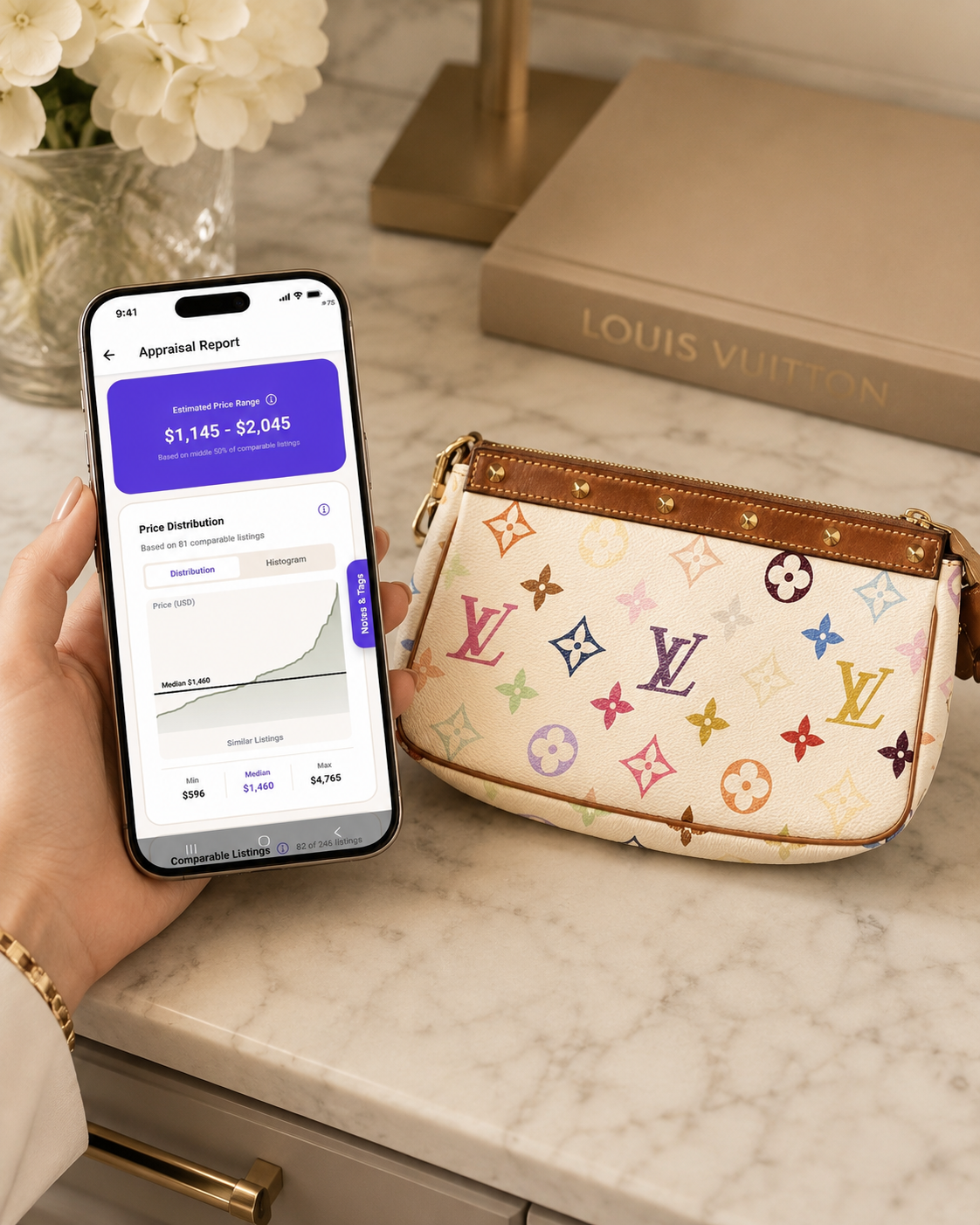
If you are unsure how your bag’s current state translates into dollars, you can see these details reflected in our luxury bag valuation reports. These reports provide a data-driven look at how specific wear patterns influence the final market price, allowing you to set a competitive and fair asking price.
For Resellers & Boutiques
Turn market comps into a clearer selling price
LuxPricer helps you move from scattered listings to a more consistent valuation workflow.
Market Trends and Condition Sensitivity
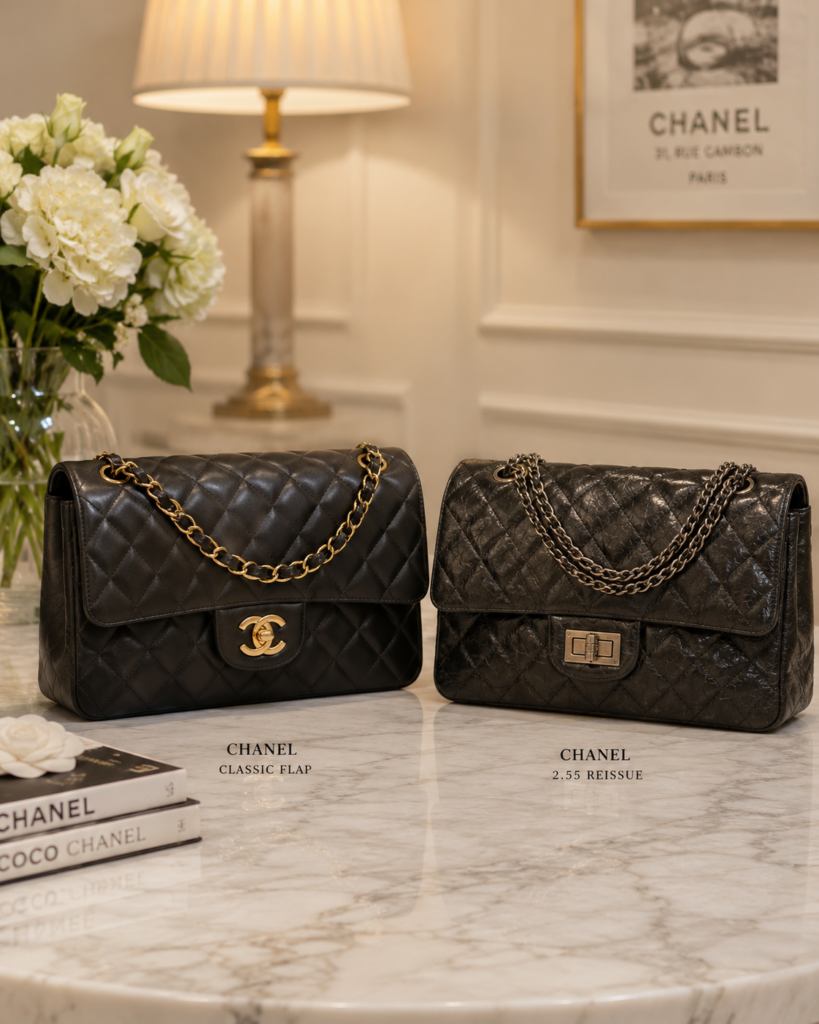
It is important to note that condition sensitivity varies by brand and style. For example, a vintage Chanel flap bag is allowed a certain amount of “character” or patina because buyers expect some age. Conversely, a modern, structured bag like a Saint Laurent Sac de Jour is expected to look sharp and crisp. Understanding how style and trend cycles affect resale value is important here; a trending “distressed” look might make minor wear more acceptable to the current market.
The LuxPricer Advantage
Accurately grading a bag requires an objective eye. It is easy for owners to overlook small flaws in an item they love. LuxPricer removes the guesswork by using historical sales data to show exactly how much a “Very Good” bag sells for compared to a “Pristine” one. Use the LuxPricer app to get an instant estimate based on the current condition of your luxury assets.
Try LuxPricer
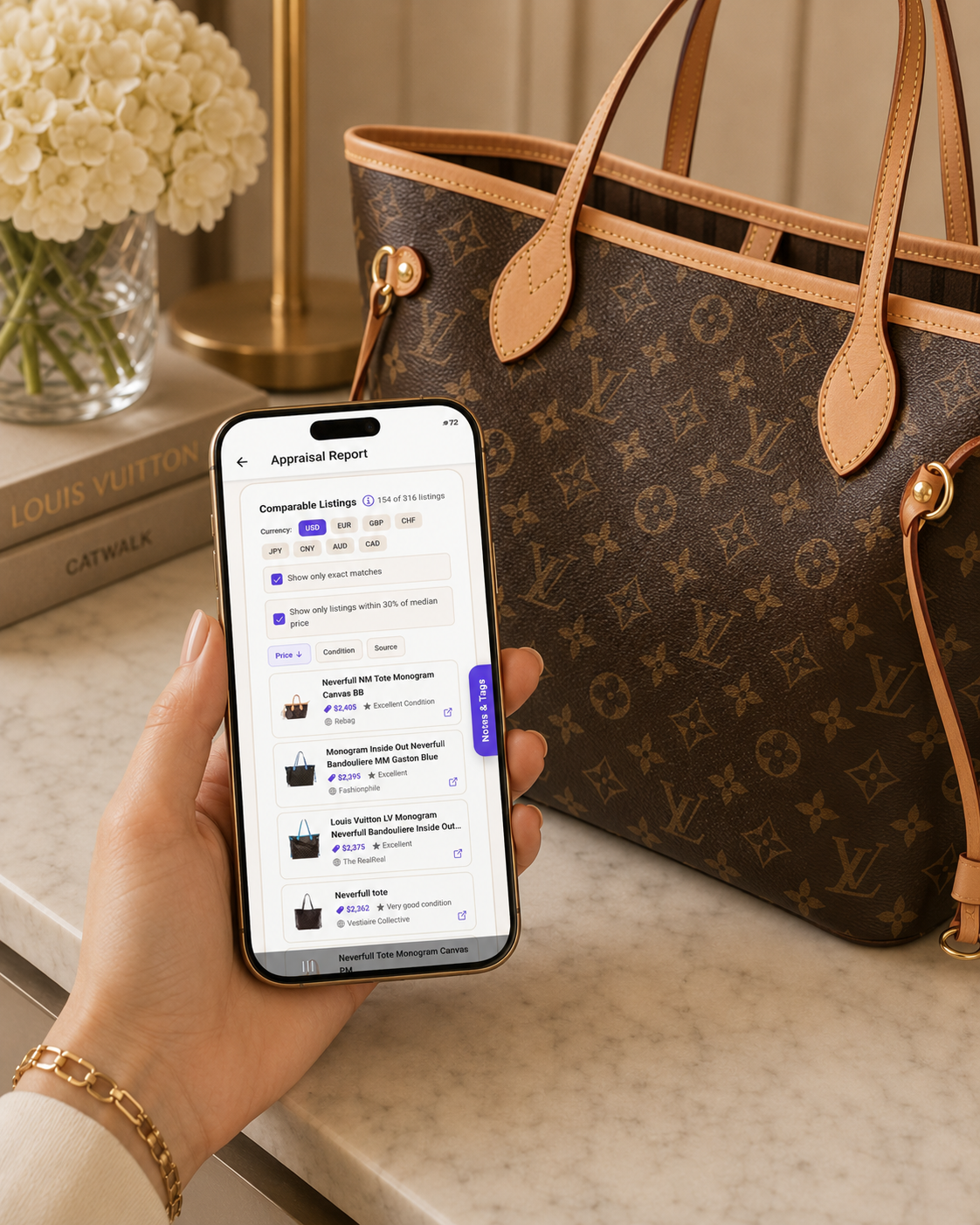
Value your next luxury bag in under a minute
Download the app and generate a faster pricing estimate before you buy, sell, negotiate, or list your next bag.
Summary of Value Depreciation by Condition
While every bag is unique, the following estimates provide a general guideline for how condition impacts the percentage of retained value:
- Pristine: 85% – 110% of Retail (Brand dependent)
- Excellent: 70% – 85% of Retail
- Very Good: 50% – 70% of Retail
- Good: 30% – 50% of Retail
- Fair/Poor: Under 30% of Retail
By maintaining your bags with regular cleaning, using base shapers, and storing them in dust bags, you protect your investment. When it comes time to sell, being honest and detailed about the condition will ensure a smoother transaction and prevent returns or disputes. Remember that how condition affects resale value luxury bag outcomes is ultimately determined by the buyer’s perception of value and the transparency of the seller.