Historical Market Context for Luxury Bags
Understanding the value of a high-end investment piece requires looking beyond a single moment in time. While current market snapshots provide a baseline, historical luxury bag prices offer the necessary perspective to determine if a specific model is appreciating, stabilizing, or experiencing a temporary peak. LuxPricer provides additional insights to help collectors and resellers make data-driven decisions based on years of auction results and secondary market transactions.
Price Check
Want to estimate a luxury bag faster?
Use LuxPricer to get a structured resale estimate from your phone, with market context and comparable pricing signals.


The Importance of Historical Data in Resale
Luxury handbags are often compared to traditional financial assets, but their market behavior is unique. Unlike stocks, handbag values are influenced by retail price hikes, brand-led scarcity, and shifting consumer aesthetics. By analyzing historical luxury bag prices, users can identify which silhouettes have maintained a steady “floor” price over the last decade and which are subject to high volatility.
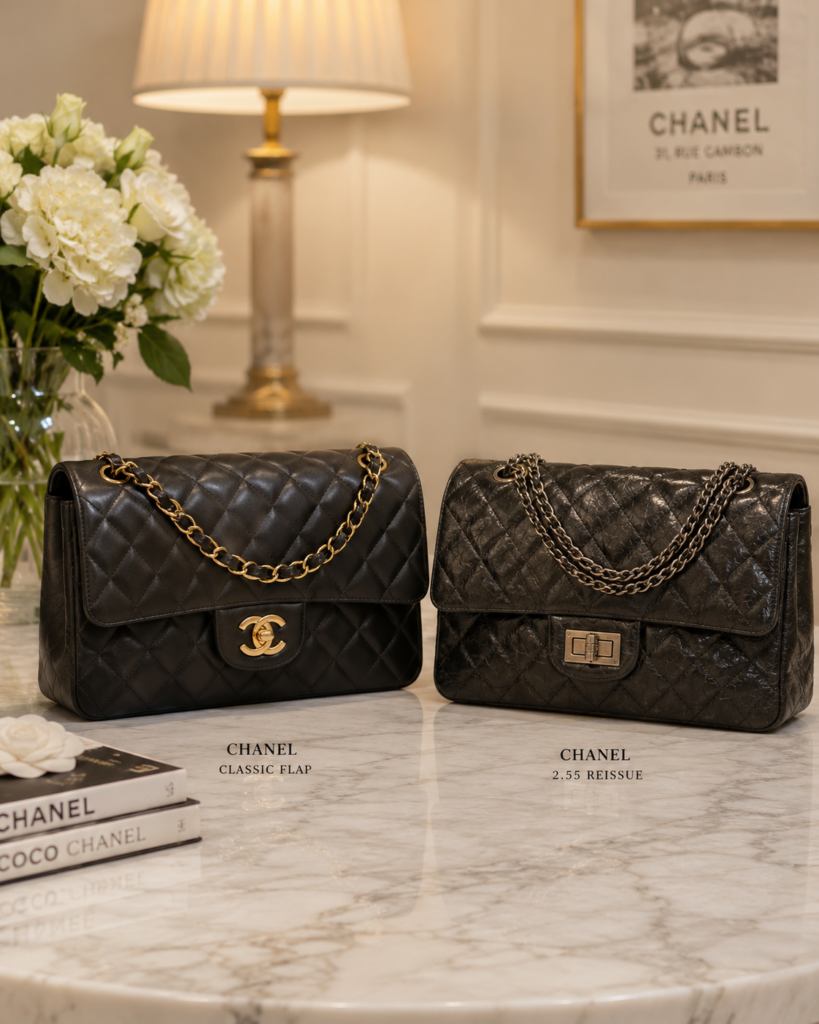
For example, a classic Chanel Double Flap or a Hermès Birkin typically shows a consistent upward trajectory. However, “it-bags” that dominate social media for a single season often see a sharp spike followed by a gradual decline. Our LuxPricer Features Overview explains how we aggregate this data to give you a comprehensive view of an item’s financial lifecycle.
Seasonal Trends and Market Cycles
The resale market operates on cyclical patterns that repeat annually. Historical data reveals that certain categories, such as travel-sized totes or bright summer palettes, often see price premiums during the second quarter of the year. Conversely, structured evening bags and darker leathers tend to peak in value during the holiday season.
By viewing these trends, you can time your sales to coincide with peak demand. If the data shows a recurring 10% increase in a specific model every November, holding the item for an extra two months could significantly impact your final return. This historical context works in tandem with our Price Distribution Insights, which allow you to compare today’s live market snapshot against long-term historical information.
Retail Price Hikes as a Value Driver
One of the most significant factors in the appreciation of historical luxury bag prices is the annual or semi-annual retail price increase implemented by heritage houses. When a brand raises the price of a new bag in-store, the secondary market almost always follows suit. Tracking these historical jumps allows LuxPricer users to estimate future appreciation. If a brand has historically raised prices by 5-8% every March, the resale value of your existing inventory is likely to see a proportional lift.
Ready to Value Your Luxury?
Download the LuxPricer App
Get instant, market-driven pricing estimates powered by real-time luxury resale data.
Distinguishing Between Trends and Timelessness
Not every price increase is permanent. Understanding how style and trend cycles affect resale value is critical for anyone looking to treat their collection as a portfolio. Historical data helps distinguish between a “hype” cycle—where a bag’s value is driven by temporary celebrity endorsement—and a “classic” cycle, where the bag’s value is driven by enduring demand and limited supply.
LuxPricer’s historical analysis often describe these movements, showing you the “burn rate” of specific trends. This helps you avoid buying at the top of a bubble and identifies undervalued classics that are currently trading below their historical mean.
For Resellers & Boutiques
Turn market comps into a clearer selling price
LuxPricer helps you move from scattered listings to a more consistent valuation workflow.
How LuxPricer Visualizes Market History
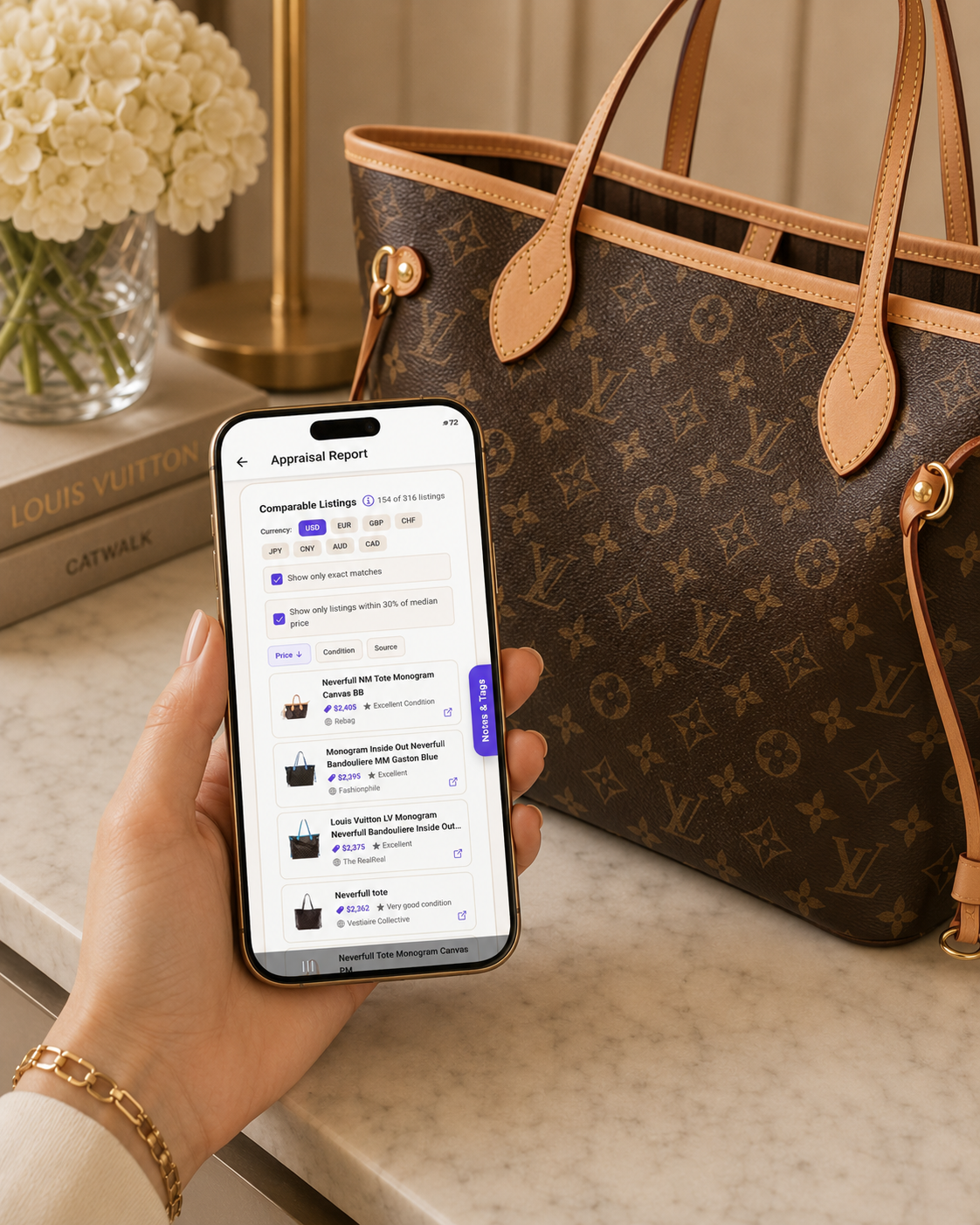
Our platform does not just provide a single number; it provides a narrative of an item’s worth. When you use our Instant Price Estimates for Luxury Handbags, you are seeing the culmination of hundreds of live data points.
For users who require a deeper dive for insurance or estate purposes, our Luxury Bag Valuation Reports offer a detailed look at these historical trends, providing a documented trail of an item’s market performance.
Try LuxPricer
Value your next luxury bag in under a minute
Download the app and generate a faster pricing estimate before you buy, sell, negotiate, or list your next bag.
Using History to Inform Future Purchases
The best way to use historical luxury bag prices is as a predictive tool. By observing how a specific leather type (like Hermès Togo vs. Swift) or a specific hardware finish has aged in value over the last ten years, you can make more informed choices about your next acquisition. History often repeats itself in the luxury world; colors that were popular in the early 2000s often see a resurgence, and historical data can signal when these “vintage” cycles are beginning to pick up momentum.
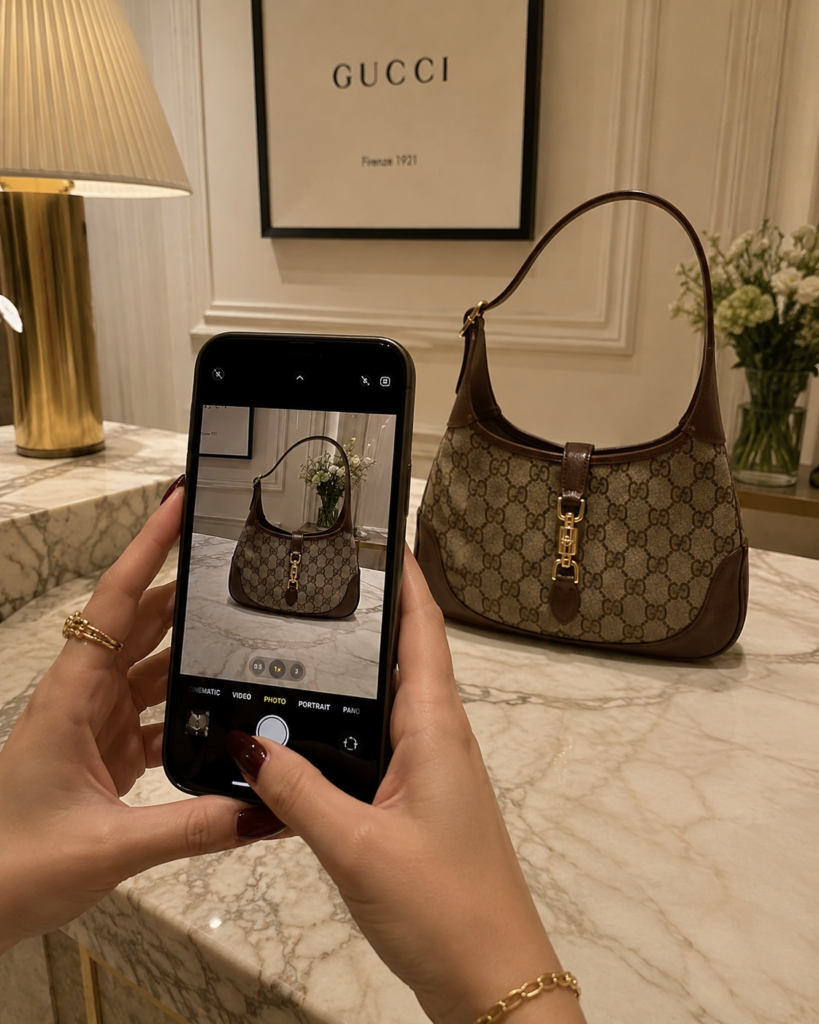
To get started with your own market analysis, you can utilize our Photo Identification for Luxury Bags to accurately name your model and instantly pull its historical pricing trajectory from our database.
Maximize Your Resale Strategy
Stop guessing when the best time to sell might be. Use LuxPricer to view the historical performance of your collection and ensure you are listing your items when the market history suggests demand is at its highest.
The Role of Condition in Historical Pricing
It is important to note that historical price lines usually represent “Excellent” or “Very Good” condition. When reviewing historical luxury bag prices, you must adjust your expectations based on the wear and tear of your specific item. A bag that has historically appreciated by 20% may still sell for less than its original purchase price if the condition has deteriorated significantly. Historical data provides the ceiling and the floor; your item’s specific attributes determine where it sits within that range.
By combining historical context with real-time data, LuxPricer ensures that you are never pricing in a vacuum. Whether you are a casual seller or a professional dealer, understanding the past is the most reliable way to estimate the future value of luxury investments.